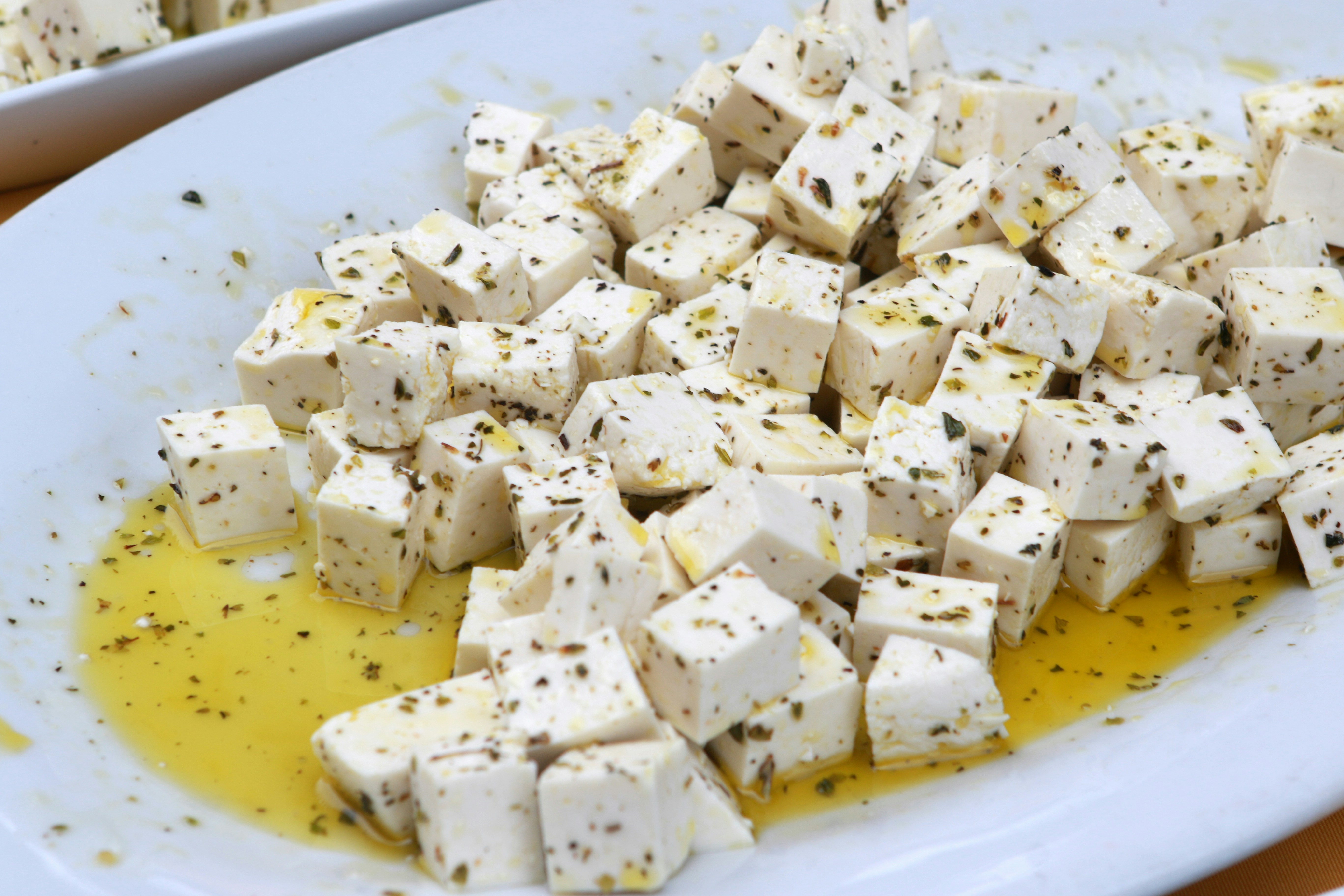
Introduction to Cooking Feta Cheese and Tomatoes
Feta cheese and tomatoes undeniably create a delightful culinary pairing that enhances a wide array of dishes. This quintessential combination not only offers a burst of flavor but also presents a variety of textures, making it a favorite for countless recipes. Feta cheese, with its tangy and creamy profile, complements the sweet and juicy nature of tomatoes, creating a harmonious balance that appeals to both simple and complex preparations.
One of the primary reasons for the popularity of feta cheese and tomatoes is their remarkable versatility. Whether used in salads, baked dishes, or pasta, these ingredients can be adapted to suit numerous cuisines, ranging from Mediterranean to contemporary fusion. Their compatibility allows for a plethora of flavor experiments, inspiring home cooks and professional chefs alike to incorporate them into their culinary repertoire.
In addition to their flavorful attributes, feta cheese and tomatoes also bring numerous nutritional benefits to the table. Feta cheese is a good source of calcium and protein, while tomatoes are rich in vitamins A and C, as well as lycopene, a powerful antioxidant known for its health-promoting qualities. This nutritional profile makes the pairing not only delicious but also a health-conscious choice for any meal plan.
Understanding the right cooking techniques and optimal timing is crucial when preparing dishes featuring feta cheese and tomatoes. Overcooking can lead to undesirable changes in flavor and texture, potentially detracting from the overall experience. Therefore, mastering the appropriate methods for cooking these ingredients is essential for achieving the best results. In this guide, we will explore various cooking methods and times that will enable home cooks to harness the full potential of this exquisite combination, ensuring that each dish is perfectly executed.
Choosing the Right Feta Cheese
Feta cheese is a versatile ingredient known for its creamy texture and tangy flavor, making it a popular choice in various dishes. When choosing the right feta cheese, several types and styles must be considered, including brined, aged, and sheep’s milk varieties. Each type possesses unique characteristics that can significantly influence the taste and cooking results.
Brined feta cheese is soaked in a saltwater solution, which keeps it moist and adds a salty tang to dishes. This type tends to crumble easily, making it ideal for salads, mezes, or as a topping for hot dishes. Alternatively, aged feta has been matured to develop deeper flavors and has a firmer texture, allowing for slicing. This particular variety works well in baked recipes or grilled items, providing a more concentrated flavor.
Sheep’s milk feta is another noteworthy option, known for its creaminess and slightly nutty taste. Being made primarily from sheep’s milk gives it a unique richness and can elevate any recipe where it is introduced. A blend of sheep and goat milk is also available, offering a balanced flavor profile that suits various culinary applications. When selecting feta cheese, it’s essential to consider the dish’s intended outcome, as the choice of feta can dictate cooking times and affect the final texture and taste.
To ensure quality, look for feta that is packaged in brine or vacuum-sealed. The best feta will typically have a pronounced aroma and a creamy texture. Always check for freshness and any unusual off-odors, which can indicate spoilage. By selecting the right feta cheese, one can enhance the overall flavor and quality of the dish, thereby achieving a more satisfying culinary experience.
Preparing Your Tomatoes
When it comes to cooking with feta cheese, the choice of tomatoes is vital as it can significantly affect both the dish’s flavor and overall presentation. Some popular options include cherry tomatoes, plum tomatoes, and beefsteak tomatoes. Each type brings its own unique characteristics to your recipe.
Cherry tomatoes are particularly favored for their sweetness and vibrant color. Their small size makes them ideal for roasting whole, while their juicy texture adds depth to any baked dish. Plum tomatoes, on the other hand, are larger and meatier, making them suitable for chopping into sauces or adding to casseroles. They tend to have fewer seeds and thicker flesh, which contributes to a rich flavor when cooked. Beefsteak tomatoes offer a substantial size and robust taste, making them best for slicing. Their juicy, meaty interior can elevate a dish significantly when grilled or baked alongside feta cheese.
The preparation method for these tomatoes is also crucial to achieving the best results. For smaller varieties like cherry tomatoes, simply washing them and tossing them into the oven with a drizzle of olive oil can bring out their natural sweetness. Larger tomatoes, such as beefsteak or plum, may benefit from slicing or dicing, which increases their surface area and allows for quicker cooking. Roasting tomatoes can intensify their flavor by caramelizing the sugars within, creating a delightful contrast with the saltiness of feta. Regardless of your choice, ensure that the tomatoes are fresh and ripe for maximum flavor release.
Ultimately, the preparation and type of tomato you select will affect the cooking time and the extraction of flavors. Understanding these subtleties will enable you to create dishes that showcase both the tomatoes and the feta cheese beautifully.
Cooking Methods: Baking, Roasting, and More
Cooking feta cheese and tomatoes can be accomplished through various methods, each imparting its distinct qualities to the dish. Baking is a popular technique, typically performed at moderate temperatures, around 350°F (175°C). When baked together, feta cheese softens and develops a creamy texture, while the tomatoes become tender and release their juices, creating a delectable combination. The baking process usually takes between 20 to 30 minutes, allowing the flavors to meld beautifully.
Roasting, on the other hand, is performed at a higher temperature, around 400°F (200°C) to 425°F (220°C), often yielding a more intense flavor. This method caramelizes the natural sugars in tomatoes, enhancing their sweetness while the feta cheese gains a slight golden crust. Roasting typically requires 25 to 35 minutes, depending on the desired level of doneness. The result is a dish that boasts a rich, complex flavor profile, complemented by the subtle saltiness of the feta.
Grilling represents another effective method for preparing feta cheese and tomatoes. This approach allows for the development of a smoky flavor, creating an enjoyable contrast to the creamy feta and juicy tomatoes. When grilling, it is important to use medium heat to prevent the feta from melting too quickly. Typically, grilling can take around 10 to 15 minutes, depending on the thickness of the tomatoes. This technique not only enhances the taste but also provides enticing grill marks that contribute to the dish’s presentation.
Each of these cooking methods brings unique flavors and textures to the table, allowing for varied culinary experiences. While baking results in a soft and creamy combination, roasting offers a caramelized sweetness, and grilling introduces a delightful smokiness. Ultimately, the choice of method can be guided by personal preference, the intended dish, and the desired flavor profile.
How Long to Cook Feta Cheese and Tomatoes
The cooking time for feta cheese and tomatoes can vary significantly based on the intended method and specific characteristics of the ingredients used. Understanding these factors ensures that you achieve a perfectly cooked dish that balances flavors and textures.
When baking, whole or halved tomatoes paired with feta typically require about 20 to 25 minutes at a temperature of 400°F (200°C). The tomatoes should be soft, and the feta should be slightly golden. For diced tomatoes, reducing the cooking time to about 15 to 20 minutes is recommended, as smaller pieces cook more quickly. The key is to monitor closely to prevent overcooking, which can lead to undesirable mushiness.
For stovetop preparation, sautéing diced tomatoes with feta can be accomplished in around 10 to 15 minutes on medium heat. This method allows for a quick cooking process that retains the tomatoes’ freshness. When using cherry tomatoes, you may need to extend the cooking time slightly, as they take longer to soften compared to larger varieties.
Utilizing different types of feta can also influence cooking time. Creamy or crumbled feta will generally meld into the dish quite quickly, while firmer varieties, particularly those that are aged, may require a little longer to soften and infuse their flavor. Monitoring the results visually is crucial; the goal is to achieve the perfect balance of melting feta and tender tomatoes.
In summary, the cooking duration of feta cheese and tomatoes is influenced by cooking method, ingredient size, and type of feta, making it essential to adjust times based on these factors to achieve ideal results.
Flavor Pairings and Seasonings
Feta cheese and tomatoes are two ingredients that complement each other beautifully, and the right choice of herbs and spices can elevate their flavors to new heights. Fresh basil is a classic herb often associated with Mediterranean cuisine, providing a sweet aroma and slight peppery edge that balances the tangy taste of feta and the acidity of tomatoes. It is best used fresh; simply tear basil leaves and sprinkle them on dishes before serving to enhance their vibrant flavor.
Oregano, another staple of Mediterranean cooking, brings an earthy, robust flavor that pairs harmoniously with both feta and tomatoes. When selecting dried oregano, a little goes a long way; use sparingly during the cooking process. Roasting tomatoes with a pinch of oregano can accentuate their natural sweetness while infusing the dish with a fragrant and savory quality.
In addition to herbs, olives can add richness and depth to a dish featuring feta and tomatoes. The briny flavor of olives contrasts nicely with the creaminess of feta, creating a delightful textural and taste experience. Consider using Kalamata or Castelvetrano olives, which provide not only a burst of flavor but also visual appeal.
Olive oil acts as both a kicker and a medium, enhancing the overall taste while adding a smooth texture to your dish. Drizzling high-quality extra virgin olive oil over your finished creation not only adds flavor but also a nutritional boost, making it a must-have in Mediterranean-style cooking.
When cooking, try incorporating these ingredients in stages. Start with a base of sautéed garlic, add your fresh tomatoes, and incorporate herbs like oregano early in the cooking process. Just before serving, sprinkle fresh basil and a drizzle of olive oil to finish the dish on a fresh note. The careful use of these elements ensures a wonderfully balanced flavor profile in your dishes featuring feta cheese and tomatoes.
Serving Suggestions and Popular Dishes
Feta cheese and tomatoes, both of which are versatile ingredients, can be used in a variety of dishes that showcase their delightful flavors. One popular way to serve cooked feta with tomatoes is as a baked feta appetizer. This dish involves roasting feta cheese and seasoned tomatoes together until the cheese is warm, soft, and slightly golden. Spreading the baked feta on toasted bread or serving it with pita chips makes for a delectable starter that impresses guests.
Another delightful option is incorporating cooked feta cheese and tomatoes into pasta dishes. For instance, combining penne or spaghetti with sautéed garlic, a mix of cherry tomatoes, and crumbled feta creates a simple yet sophisticated meal. The creamy texture of the feta pairs beautifully with the juicy tomatoes, enhancing the overall taste experience. To add an extra layer of flavor, fresh herbs such as basil or parsley can be sprinkled on top before serving.
Salads also offer an excellent canvas for showcasing cooked feta and tomatoes. A mixed greens salad dressed with olive oil and balsamic vinegar can be elevated with the addition of warm, roasted feta and juicy tomatoes, creating a vibrant and nutritious dish. For a more substantial meal, consider adding quinoa or chickpeas, which lend added protein and texture.
Visual presentation can enhance the appeal of these dishes significantly. When serving baked feta, consider using a colorful dish that highlights the ingredients, garnished with fresh herbs for a pop of color. For salads, a variety of textures and colors will keep the dish visually stimulating and appetizing.
By experimenting with these creative serving suggestions, individuals can elevate their meals while enjoying the delightful flavors of cooked feta cheese and tomatoes.
Common Mistakes to Avoid
Cooking feta cheese and tomatoes can create a delicious and flavorful dish, but certain common mistakes can hinder the final result. One prevalent mistake is overcooking the feta. Feta cheese is best when it is melted to a creamy texture but not to the point of drying out. It is essential to monitor the cooking time closely, as overexposure to heat can lead to a grainy or rubbery consistency. Aim for a gentle heat to achieve the perfect melt, often around 10 to 15 minutes in the oven.
Another common pitfall involves the quality of tomatoes used in the dish. Low-quality tomatoes often lack flavor and can significantly affect the overall outcome. Fresh, ripe tomatoes are crucial for enhancing the flavor profile. Opt for in-season tomatoes when possible, as they tend to be sweeter and juicier. Additionally, consider using a variety of tomatoes, such as heirloom or cherry tomatoes, for added complexity and taste.
Preparation techniques also play a vital role in the cooking process. Failing to adequately preheat the oven can result in uneven cooking, leading to undercooked tomatoes or improperly melted feta. It is a good practice to preheat the oven to the desired temperature before placing the dish inside.
Lastly, forgetting to season the dish properly can lead to bland flavors. Incorporating herbs, spices, and a touch of salt can elevate the dish significantly. Fresh herbs like basil or oregano work well with feta and tomatoes, enhancing their natural flavors. By avoiding these common mistakes and following practical tips, you can achieve a perfectly cooked feta and tomato dish that delights the palate.
Conclusion and Final Tips
As we conclude this guide on cooking feta cheese and tomatoes, it is important to highlight the remarkable versatility and flavor that these two ingredients offer. The combination of creamy feta with the juicy sweetness of tomatoes creates a delightful experience whether prepared in a salad, baked in a dish, or served as a simple appetizer. Throughout this blog, we explored various cooking techniques, including roasting, grilling, and integrating them into sauces, providing you with ample inspiration for meals that capture their essence.
When cooking with feta cheese and tomatoes, consider using fresh, high-quality ingredients for the best results. The flavor profile can vary significantly based on the type of feta chosen—be it Greek, Bulgarian, or a local artisanal version—so experimentation may lead you to discover your preferred taste. Furthermore, the ripeness of tomatoes plays a crucial role in the overall flavor, making it essential to select the right type of tomato, whether they be heirloom, cherry, or beefsteak, depending on your intended dish.
As you explore different recipes, do not hesitate to add your personal touch. Enhance your dishes with herbs such as basil or oregano or experiment with various spices for added depth. The world of feta cheese and tomatoes is broad, so feel free to create variations that suit your palate. By using these ingredients in diverse ways, you can develop new and exciting recipes that celebrate their unique combination. In summary, cooking with feta cheese and tomatoes is an enjoyable venture that encourages creativity in the kitchen. With these tips and insights, may your culinary explorations lead to delicious meals and delightful gatherings with family and friends. Happy cooking!